In the evolving landscape of waste management, the demand for efficient solutions is paramount. One of the innovative methods gaining traction is the Tire Pyrolysis Plant For Sale. These facilities convert used tires into valuable products, such as oil and carbon black. Buyers seeking to invest in such plants must navigate various options and technologies available in China.
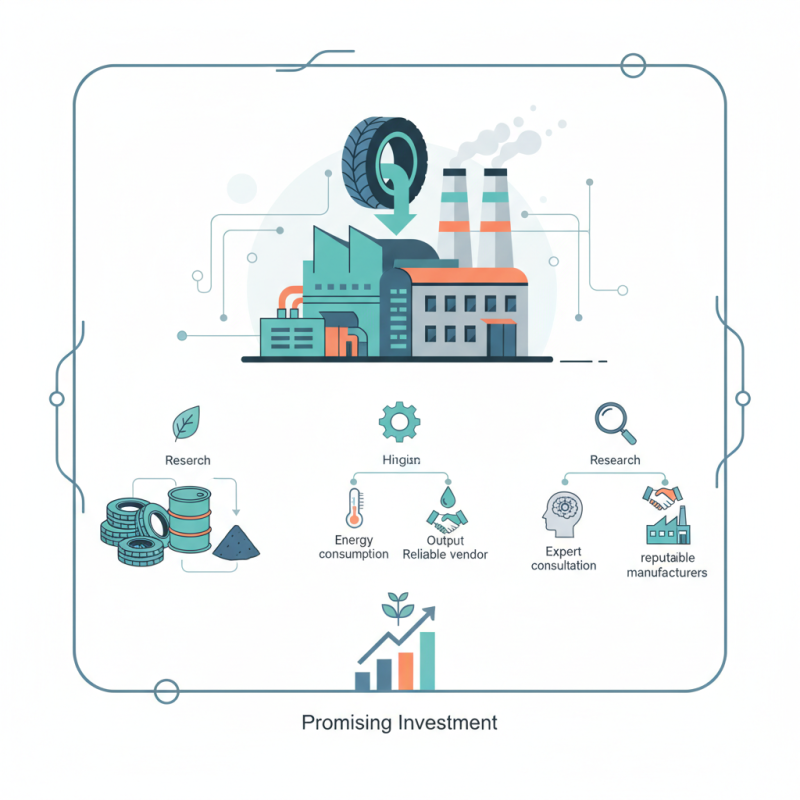
The benefits of tire pyrolysis are significant. It not only addresses environmental concerns but also generates sustainable resources. Choosing the right plant requires understanding operational efficiency and technology reliability. Prospective buyers should consider aspects like energy consumption and output quality. A reliable vendor increases the chances of a successful investment.
However, the decision-making process can be challenging. Many options exist, each with unique features and prices. Buyers should conduct thorough research and possibly consult industry experts for guidance. Engaging with reputable manufacturers is crucial to ensure quality and sustainability. Overall, investing in a Tire Pyrolysis Plant For Sale is promising but requires careful consideration of various factors.
Tire pyrolysis technology is gaining attention in China. It transforms scrap tires into valuable products. The process involves heating tires in an oxygen-free environment. This method minimizes emissions and reduces waste. By converting tires, it produces oil, carbon black, and gas. These byproducts can be used in various industries.
The growth of this technology reflects a push for sustainability. Many plants now focus on eco-friendly practices. However, challenges exist. Not all facilities meet stringent environmental regulations. Buyers must research options carefully to ensure compliance. Understanding local policies can be complex. Not all processes are the same, and efficiency varies.
Investors should consider the technology’s maturity and innovation. Many plants offer similar solutions, but performance can differ. Profitability hinges on quality and operational efficiency. Buyers should weigh pros and cons. Some may find the initial investment daunting. However, the long-term benefits could outweigh the risks.
When considering the purchase of a tire pyrolysis plant, understanding key features is crucial for potential buyers. The best plants typically offer high efficiency and safety standards. According to industry reports, advanced pyrolysis technologies can achieve around 80% conversion rates of tires into usable oil and gas. This efficiency not only maximizes profitability but also promotes environmental sustainability.
Another essential feature is automation in the pyrolysis process. Automated systems reduce human error and enhance operational safety. Data indicates that fully automated plants can minimize labor costs by up to 30%. Additionally, look for plants that comply with international environmental regulations. Compliance ensures the factory can operate without interruptions due to legal issues or penalties.
Tips: Always request detailed performance specifications. Also, consider plants that provide transparent support and service options. While high-efficiency plants seem appealing, initial costs can be substantial. It is vital to evaluate the long-term return on investment realistically. Many buyers overlook maintenance requirements, which can impact the overall efficiency and output. Investing in a plant with accessible replacement parts and strong customer service can save time and money in the long run.
When looking for a tire pyrolysis plant, several factors are crucial. Buyers should focus on the capacity of the plant. Larger capacity means a higher potential output. However, a larger plant also requires more space and investment. Evaluate your operational needs carefully; a smaller plant may suffice for smaller operations.
Another important consideration is energy efficiency. Pyrolysis plants consume energy during processing. Efficient models reduce operational costs. Look for plants that incorporate modern technology. These advancements can lead to more efficient energy use and lower emissions, making the process more environmentally friendly.
The tire pyrolysis industry in China has grown significantly, with various manufacturers offering a range of technologies and capacities. As businesses look to invest in pyrolysis plants, understanding the key players in the market is essential. Each manufacturer presents unique features and benefits, creating a competitive landscape.
Leading manufacturers often emphasize innovation and efficiency in their designs. Many utilize advanced heating systems that ensure maximum oil yield from tires. However, not all technology is created equal. Some plants may optimize for cost efficiency at the expense of the environment. Buyers must carefully evaluate these trade-offs when selecting a plant.
Additionally, service and support from manufacturers vary. Some may provide extensive training and operational assistance, while others only offer basic support. Buyers should consider these factors when making a decision. A cheap initial investment could lead to higher long-term costs if support is lacking. Comprehensive research into manufacturers’ reputations can lead to a more informed choice.
The tire pyrolysis industry is gaining traction as a sustainable waste management solution. It converts scrap tires into valuable products. This process can help reduce the nearly 1 billion tires discarded annually worldwide. Investing in a tire pyrolysis plant offers opportunities for significant returns. However, potential buyers should consider various financing options.
Many financial institutions are now focusing on green investments. According to a report by Market Research Future, the tire pyrolysis market is projected to grow at a CAGR of 7.5% through 2026. This growth indicates a robust interest from investors. Moreover, governments in various regions are offering incentives for green technology. These factors make financing more accessible for potential buyers.
Investors should also be aware of the operational complexities. While the technology is advancing, challenges in regulations and local acceptance remain. It's crucial to conduct thorough market research and understand regional demands. Overall, while the tire pyrolysis sector presents promising investment opportunities, a cautious approach is vital.
| Plant Model | Processing Capacity (T/day) | Estimated Cost (USD) | Return on Investment (%) | Financing Options |
|---|---|---|---|---|
| Model A | 5 | $350,000 | 20% | Loan & Lease |
| Model B | 7 | $500,000 | 25% | Equity Financing |
| Model C | 10 | $800,000 | 30% | Bank Loan |
| Model D | 15 | $1,200,000 | 35% | Investors |
: Look for high efficiency, safety standards, and automation.
They can achieve around 80% conversion rates of tires into oil and gas.
Automation reduces human error and enhances operational safety, minimizing labor costs.
Ensure the plants comply with international environmental regulations to avoid legal issues.
Maintenance affects overall efficiency and output, so it is crucial to consider.
Larger capacity means higher output but requires more space and investment.
Efficient models lower operational costs and emissions, making processes more eco-friendly.
An experienced supplier offers better support and reliable after-sales services.
Proximity to suppliers and markets influences logistics and transportation costs.
Evaluate long-term ROI, maintenance needs, and operational requirements realistically.
The article "China Top Tire Pyrolysis Plant For Sale Options for Buyers" delves into the burgeoning field of tire pyrolysis technology in China, highlighting the key features of the most sought-after plants available in the market. Buyers are provided with essential insights into selecting the right Tire Pyrolysis Plant For Sale by considering factors such as plant capacity, efficiency, and technological innovation.
Additionally, the article offers a comparative analysis of leading manufacturers, helping potential investors make informed decisions. It also outlines various financing and investment opportunities within the tire pyrolysis sector, emphasizing the economic viability of sustainable waste management solutions that these plants offer. Overall, the piece serves as a comprehensive guide for buyers interested in acquiring tire pyrolysis technology in China.

Huayuan